From Niche to Norm: Making Sustainable Behaviour Mainstream
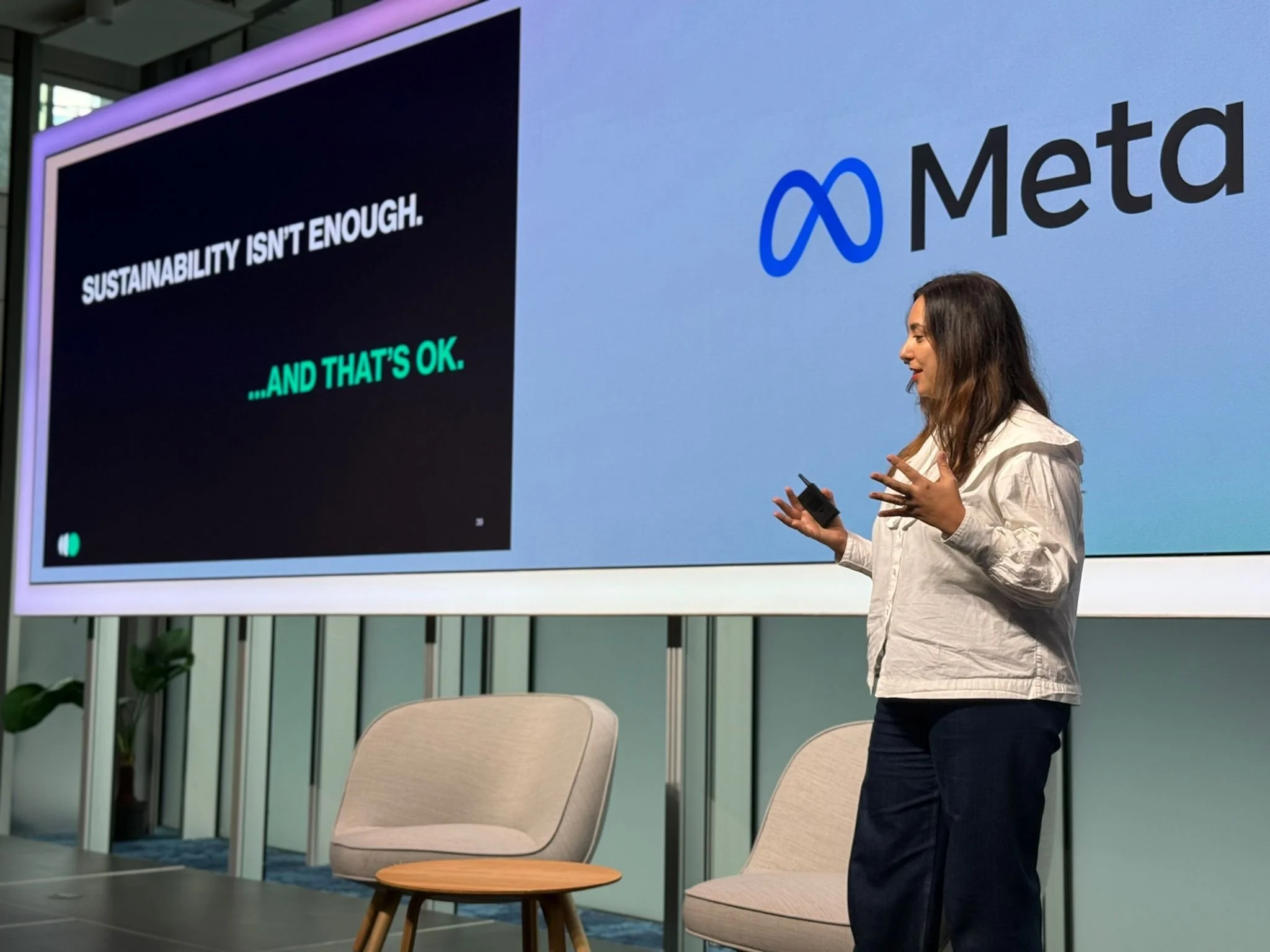
On Tuesday 20th January 2026, the Responsible Marketing Advisory, together with ISBA and Ad Net Zero, brought together a room of over 60 marketers to hear how brands have enforced behaviour change at scale through a sustainable lens.
Niche to Norm focused on how marketing can drive big change, from experts and brand owners who are walking the walk. They spoke candidly about what’s working, what’s not, and how marketing can drive effective behaviour change to design for better choices, making impact easier to choose within consumer repertoires.
Simon Michaelides kicked us off with a passionate speech about the importance of sustainable advertising and the need for brands to take a hard look at the frameworks they rely on to support long-term, responsible growth. This was followed by a fireside chat between Aina Fuller and Seb Munden CBE, who reflected on the last 30 years of ‘green comms’ and why many of these approaches are now outdated. One of the biggest talking points was how sustainability, or environmental action, has become more performative over time, and that turning moral imperative around sustainable action into a selling point, is turning consumers off. Products must adhere to their category drivers whilst also being sustainable, not rely on the moral high ground that their sustainable credentials provide without delivering on product experience.
This idea came up repeatedly throughout the day: sustainability, on its own, is not enough of a driver of purchase, it must also be accompanied by personal benefit. This insight featured heavily in the Big Brands + Big Change panel with contributors from Diageo, EDF Energy, Mars, and Currys, sharing how they’re approaching integrating behaviour change as part of their sustainability agenda within their brands’ architecture. They agreed that the industry must move from good intentions to demonstratable impact, and discussed the kind of internal buy-in and triple win (profit, people and planet) necessary to the success of any initiative containing environmental action - sustainability won’t work when it is siloed and doesn’t include correlated commercial benefit.
In the ‘Born Green, Buit Social’ Panel, senior leaders from SURI, giffgaff, and MPB centred their discussion around the future, and how their businesses were born out of an idea to disrupt behaviour within their current categories, embedding sustainable action as part of their core value propositions. Rather than treating green credentials as a marketing message, these brands see it as part of their foundation, driven by a long-term view of the world they’re helping to shape for future generations.
This was all underpinned by an energetic behavioural science keynote by Dan Bennett at Ogilvy, who demonstrated how people actually make decisions. He stressed that marketing and communications should aim to change behaviour rather than appeal to people’s identities through “woke” positioning. He highlighted the importance of designing for cognitive diversity, recognising that different people respond to the same messaging in different ways, dependent on their context. But the biggest takeaway from the event was the reminder that brands should design products that work and drive value. Full stop. These products or experiences should also happen to be sustainable, and not just focus on sustainable credentials as an add on or campaign line. They should “sell the selfish”, making their (sustainable) products drive real value.
To learn more about the expertise of our fabulous keynote speakers, you can find their take-away resources here: Niche to Norm Decks.
If you missed the event and want to find more about how Responsible Marketing Advisory can help your brand on your journey toward good growth, don’t hesitate to reach out to us today by emailing aina@responsiblem.com.